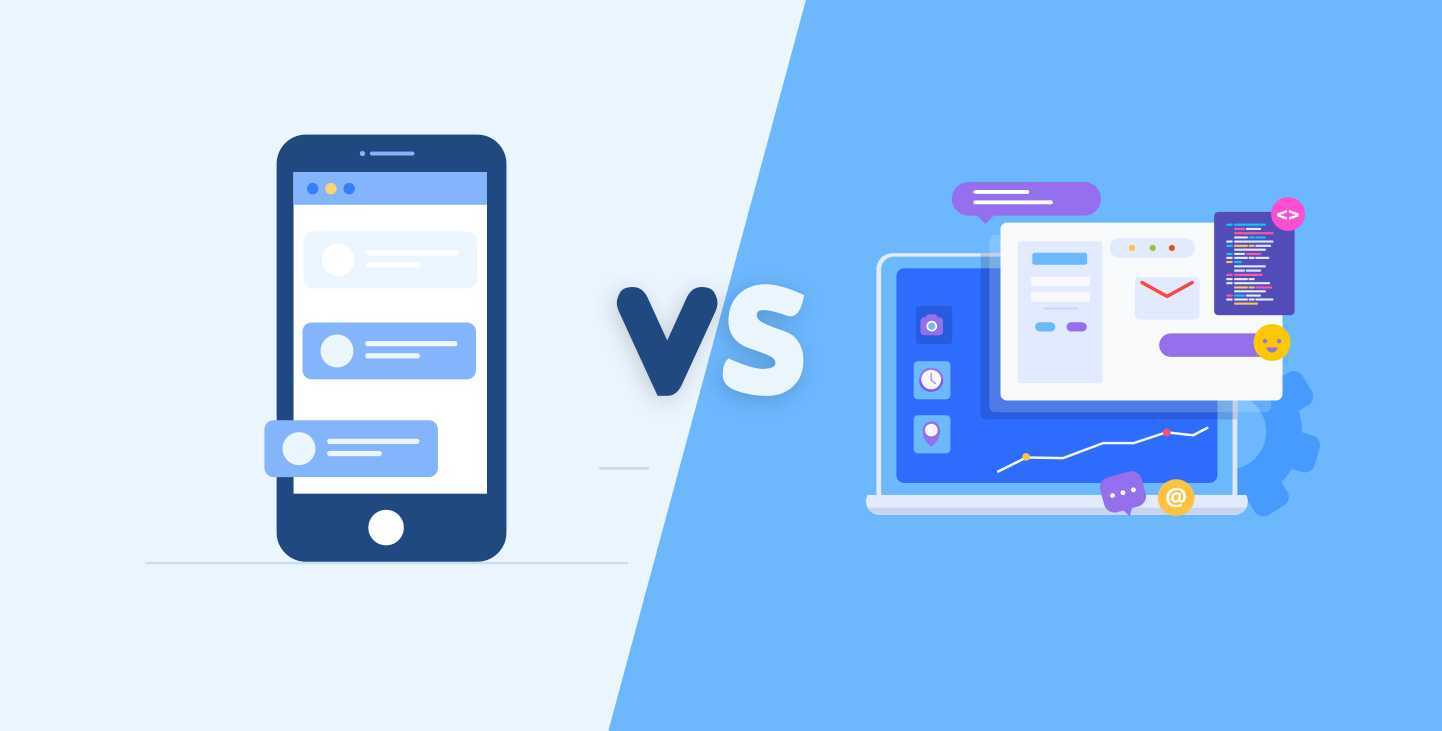
In today’s digital-first world, businesses face a crucial question before launching any new product or service: Should we start with a website or a mobile app?
It’s not just a matter of preference anymore, it’s a strategic decision that impacts your reach, engagement, and growth potential. Both web and mobile platforms offer unique advantages, and the right choice depends on your goals, target audience, and the kind of experience you want to create.
Whether you’re a startup, entrepreneur, or established brand, understanding how to balance web presence with app functionality can set the tone for your digital success. Let’s break it down.
The Web Advantage: Accessibility and Reach
When it comes to getting your project off the ground quickly, web platforms often lead the way. A website is accessible to anyone with an internet connection, no downloads, no storage space concerns, and no platform limitations.
1. Broader Audience Reach
Web platforms allow users across devices, desktops, tablets, and smartphones, to access your product instantly. This is particularly beneficial if your goal is brand visibility, SEO growth, or testing your concept before investing in a full-scale app.
2. Easier Updates and Maintenance
Updating a website is fast and universal. When changes go live, every user sees them instantly, no app store approvals or user updates required. For businesses that need agility, this is a huge plus.
3. Cost-Effective Development
For many brands just starting out, web development is more budget-friendly. While mobile app development services can bring a polished user experience, the initial investment and maintenance can be higher. Launching on the web first gives you a way to validate your idea with less financial risk.
The Mobile Advantage: Engagement and Personalization
While the web excels in reach, mobile platforms dominate when it comes to engagement. People spend the majority of their online time inside apps, making mobile a prime space for building strong customer relationships.
1. Optimized User Experience
Mobile apps are designed for speed, convenience, and immersion. With features like push notifications, offline access, and personalized interfaces, they offer a more seamless experience than most websites can deliver.
This is where mobile app development services truly shine, by modifying the app’s design and performance to fit users’ behaviors, preferences, and devices. A smooth and responsive app encourages repeat visits and long-term loyalty.
2. Direct Access to Device Features
Mobile apps integrate directly with smartphone features like cameras, GPS, and biometric authentication. This makes it easier to build interactive experiences, think navigation, photo uploads, or secure payments. Such integrations simply aren’t as fluid on a web browser.
3. Brand Loyalty and Retention
Having your app icon on a user’s home screen creates a powerful sense of brand presence. When supported by smart notifications and personalized offers, mobile apps help foster deeper engagement than a typical website visit.
For businesses looking to create meaningful, lasting relationships with their audience, investing in professional mobile app development services can yield significant long-term returns.
How to Decide Which Platform Comes First
The ideal platform for your project depends on your business goals, target audience, and available resources. Here are a few guiding factors to consider before making the decision:
1. Audience Behavior
If your audience is more likely to use desktops or is spread across various devices, a web-first approach makes sense. But if your users are mobile-first, such as e-commerce shoppers or service app users, then developing a mobile app should take priority.
2. Budget and Resources
Launching a mobile app often requires more upfront investment in design, development, and testing. On the other hand, a website can act as an affordable entry point, allowing you to gauge user interest before scaling up with mobile app development services.
3. Long-Term Goals
If your goal is to build brand recognition and attract organic traffic, a strong web presence is key. But if you’re aiming for high engagement, recurring users, and premium features like offline mode or push notifications, a mobile app should lead your roadmap.
4. Development Timeline
Web projects can typically go live faster than apps since they don’t require app store submissions or complex native builds. If speed-to-market is critical, start with the web, then expand using mobile app development services once you’ve validated your idea.
The Hybrid Approach: Best of Both Worlds
Why choose just one? Many successful brands opt for a hybrid strategy, launching both a web version and a mobile app, each serving a distinct purpose.
You might start with a responsive website to build brand awareness and attract users, then develop a mobile app to deepen engagement and loyalty. With modern mobile app development services, it’s possible to integrate data and user experiences seamlessly across both platforms.
Progressive Web Apps (PWAs) are another smart middle ground. They combine the accessibility of a website with the usability of an app, offering offline functionality and app-like performance, without requiring users to download anything.
Conclusion: Choosing the Right Path for Your Project
There’s no one-size-fits-all answer to the Web vs Mobile debate, it all comes down to your audience, objectives, and resources.
A web platform gives you reach, flexibility, and cost efficiency. A mobile app delivers engagement, personalization, and loyalty. The smartest choice often lies in starting where your users are today and growing toward where they’ll be tomorrow.
Whether you’re testing an idea or scaling a full-fledged digital experience, partnering with the right mobile app development services can help you build intuitive, powerful, and user-centered applications that stand out in the market.
Your digital journey starts with one decision, so make it strategically. Choose the platform that not only fits your vision but also evolves with your users’ needs.
Leave a Reply